
Shiva Sharma is an award-winning Nepali journalist and the current Editor-in-Chief of US Nepal Post, a leading digital news platform serving the global Nepali community. He is the most notable Nepali Journalist in the USA. With over two decades of experience, including 13 transformative years at Kantipur Publications, he has established himself as a fearless storyteller known for his deep investigative reporting, field-based journalism, and unwavering commitment to truth. From documenting the Maoist insurgency to capturing the struggles of Nepali immigrants abroad, his work has earned him prestigious honors, such as the WWF Conservation Award and the NEJA Community Journalism Award, as well as the national environment award. Based in Texas with his family, Sharma continues championing independent journalism and amplifying underrepresented voices across borders.
1. What was journalism like in Nepal during those early years, especially in a city like Pokhara?
In Nepal during those early years, particularly in Pokhara, journalism was rugged and raw. There were no digital tools or technologies like today—we had to write news reports by hand and physically submit them to editors. Most local publications operated on tight budgets, and salary or compensation was either very low or delayed by months. Many of us worked tirelessly without any financial guarantee, driven purely by passion. I not only did field reporting but also helped with proofreading in the evenings and even cycled late at night carrying tracing paper to the printing press. This happened during the Maoist insurgency, which made the environment risky and unpredictable. Yet, despite all the hurdles, I remained committed to my calling, knowing that our voice mattered.
2. You mentioned covering news during the conflict period. Could you share one of your most unforgettable moments?
Yes, one moment that has stayed with me forever happened during the peak of the conflict. One night around 1:30 AM, after finishing late-night duties at the press, I was heading home when I was suddenly stopped by armed Nepalese Army soldiers at Srijanachowk in Pokhara. They were tense and suspicious, and one of them pointed a gun at my head, demanding to know if I was working for them or the Maoists. I calmly responded, “I’m a journalist for the people.” It was a moment of immense fear but also clarity. That night reminded me of the risks we take for the truth, and it strengthened my resolve to continue practicing journalism with integrity, even in the face of danger.
3. You later joined Kantipur Daily, one of Nepal’s most influential publications. How did that opportunity come about?
My journey to Kantipur Daily came after many years of freelancing and gradually building a strong portfolio of work. I had been contributing features to Rajdhani Daily and Samadhan Daily from Pokhara, and my reporting style caught the attention of senior journalist Kulchandra Neupane. He believed in my work and recommended me for the position at Kantipur Daily, which was looking for a reporter from Pokhara. Out of twelve applicants, I was selected. My first investigative story, “Dream to Become a Lahure,” explored the craze of young men trying to join the British Army and was featured on the cover page. That story gave me a national platform and helped solidify my reputation while I was still outside Kathmandu.
4. How did your work evolve once you gained national visibility?
My journalistic responsibilities and influence expanded significantly after gaining national visibility through Kantipur Daily. I began writing for both Kantipur Daily and Kantipur Daily, tackling stories that ranged from environmental conservation and politics to social issues and human-interest features. Despite facing resistance and internal politics within the publication, I focused on ground-based, evidence-driven journalism that resonated with readers. Over time, my commitment was recognized through the WWF Conservation Award and the NEFEJ Environmental Journalism Award. These recognitions were significant to me because they were awarded solely on the merit of my work, without any political affiliation or lobbying behind them.
5. How did your journalism journey continue after moving to the United States?
When I moved to the United States, I didn’t leave journalism behind—I simply adapted to a new environment. In 2019, I wrote a feature titled “Nepalis at Risk in U.S. Gas Stations,” which was published in Kantipur Daily and went on to win the NEJA Community Journalism Award. That recognition was a turning point and reaffirmed that journalism knows no borders. Currently, I serve as the Editor-in-Chief of USNepalPost, a digital news platform that highlights the stories, struggles, and successes of the Nepali diaspora. Through this outlet, I aim to connect Nepali voices across continents, keeping the spirit of responsible journalism alive outside my homeland.
6. US Nepal Post is very popular among the Nepali community. What is the reason behind its success?
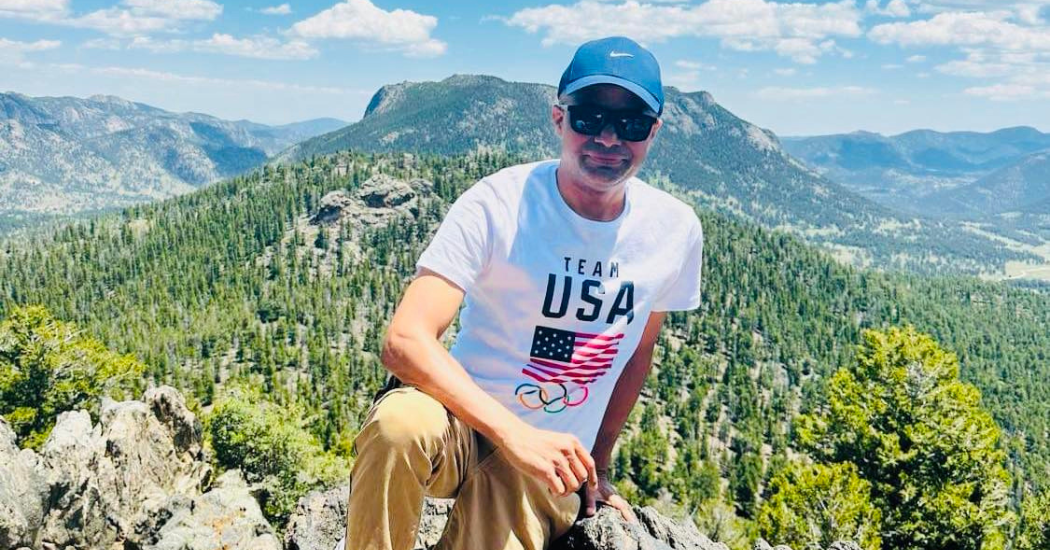
US Nepal Post has become widely popular among the Nepali community due to its commitment to authentic, community-centered journalism that bridges the gap between Nepalis living abroad and their homeland. Its content reflects the diaspora’s real stories, challenges, and achievements, making it both relatable and trustworthy. With a strong editorial voice led by experienced journalist Shiva Sharma, the platform consistently highlights underrepresented voices, social issues, cultural heritage, and inspiring success stories. Its digital accessibility, timely reporting, and focus on constructive narratives have built a loyal readership, making it not just a news source but a cultural connection point for Nepalis across the globe.
7. What’s your message to the next generation of aspiring journalists?
To the younger generation, I say this: journalism should not be approached as a shortcut to fame or money. Today, anyone with a smartphone or camera considers themselves a journalist, but trustworthy journalism demands deep commitment, responsibility, and dedication to facts. It’s not just about storytelling—it’s about standing up for what’s right, even when it’s uncomfortable. Journalism can be a powerful path if your goal is to serve the truth and contribute to a more informed and just society. But if you’re only in it for personal gain, I’d suggest exploring another career. Journalism is not just a profession—it’s a public service and must be treated with that level of seriousness and integrity.